How Craniosacral Therapy Supports Stress Relief
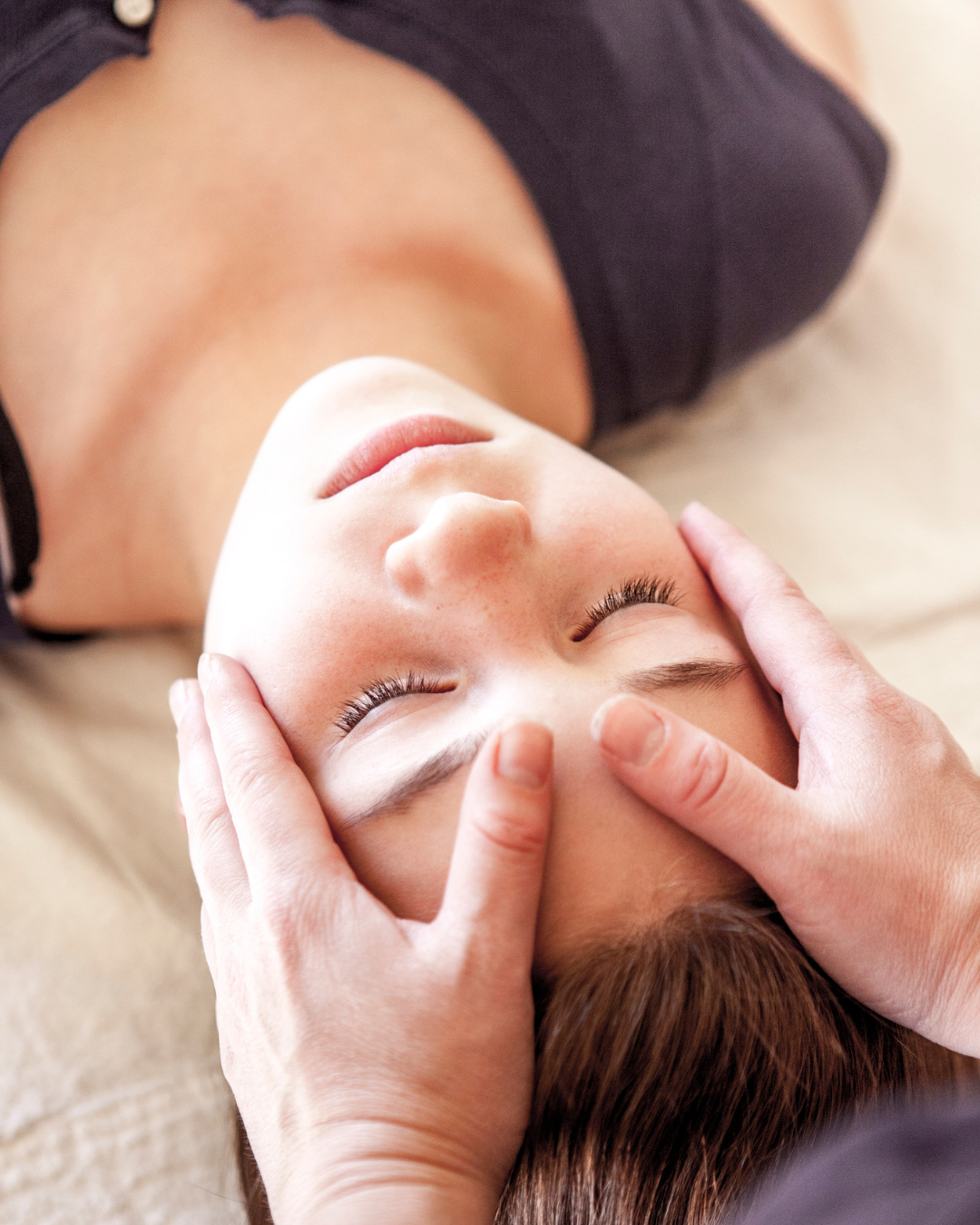
A Nervous-System-Informed Path Back to Safety and Ease
Stress doesn’t just live in the mind.
It settles into the jaw, the shoulders, the breath.
It tightens the pelvic bowl.
It compresses the spine and dulls our internal rhythms.
As a craniosacral therapist and somatic practitioner, I often work with people who feel chronically tense, overwhelmed, or exhausted — even when they’re doing “all the right things” to manage stress.
This is where craniosacral therapy offers something different.
Not by forcing relaxation, but by listening to the nervous system and supporting it to settle on its own terms.
What Is Craniosacral Therapy?
Craniosacral therapy (CST) is a gentle, hands-on modality that works with the central nervous system, including the brain, spinal cord, and surrounding tissues.
Using light, intentional touch, the practitioner listens to subtle rhythms in the body — particularly the movement of cerebrospinal fluid — and supports the system in releasing restrictions and restoring balance.
The work is quiet, subtle, and deeply regulating.
Many people describe it as feeling like their body is finally being given permission to rest.
Stress and the Nervous System
Stress activates the sympathetic nervous system — the body’s fight-or-flight response.
In short bursts, this response is helpful.
In chronic states, it becomes exhausting.
When stress is ongoing, the nervous system may:
Remain hypervigilant
Struggle to downshift into rest
Hold tension in the fascia and tissues
Disrupt sleep, digestion, and emotional regulation
Over time, the body forgets how to fully access the parasympathetic state — the branch responsible for rest, repair, and healing.
Craniosacral therapy gently reminds the body how to return.
How Craniosacral Therapy Relieves Stress
1. It Supports Parasympathetic Activation
Craniosacral therapy naturally encourages the nervous system to shift into a rest-and-digest state.
As the system settles, many people notice:
Slower breathing
A sense of spaciousness or grounding
Reduced mental chatter
A feeling of safety in the body
This state is not induced — it emerges organically when the nervous system feels listened to.
2. It Releases Deep-Seated Tension Held in the Body
Stress doesn’t just live in muscles. It embeds itself in fascia, connective tissue, and the craniosacral system itself.
Gentle craniosacral contact allows the body to:
Unwind long-held tension patterns
Soften protective holding
Improve fluid movement and circulation
Often, this release happens without effort or force.
3. It Calms an Overstimulated Nervous System
For highly sensitive people, caregivers, trauma survivors, and those living with chronic stress, the nervous system may feel perpetually “on.”
Craniosacral therapy offers:
A non-invasive, non-demanding experience
Minimal stimulation
Deep attunement and presence
This makes it especially supportive for nervous systems that feel overwhelmed by more active modalities.
4. It Helps the Body Process Stress Without Re-Traumatization
One of the most powerful aspects of craniosacral therapy is its respect for the body’s pacing.
Rather than pushing for release, the work allows the system to:
Complete incomplete stress responses
Integrate without reliving events
Restore a sense of agency and choice
This is particularly important for stress linked to trauma.
A Practitioner’s Perspective
In my own body — and in countless sessions with clients — I’ve witnessed how powerful it is when the nervous system is met without expectation.
Craniosacral therapy doesn’t ask the body to perform or explain itself.
It listens.
And when the body is listened to deeply enough, it often begins to reorganize on its own.
Who Craniosacral Therapy Is Helpful For
Craniosacral therapy may support those experiencing:
Chronic stress or burnout
Anxiety or nervous system overwhelm
Sleep disturbances
Tension headaches or jaw pain
Emotional exhaustion
Trauma-related stress patterns
It is especially beneficial when stress feels embedded in the body, not just situational.
Craniosacral Therapy and Somatic Healing at Uwila Wellness
At Uwila Wellness, craniosacral therapy is offered through a nervous-system-informed, trauma-aware lens.
Sessions are slow, grounded, and relational — honoring the body’s innate intelligence and capacity for self-regulation.
For many people, craniosacral therapy becomes a doorway:
Back into the body
Into deeper nervous system safety
Into greater resilience and ease
Stress Relief Begins with Safety
True stress relief doesn’t come from pushing through or “trying harder to relax.”
It comes from creating conditions where the nervous system feels safe enough to soften.
Craniosacral therapy offers that invitation — gently, quietly, and profoundly.
Frequently Asked Questions
How does craniosacral therapy help with stress?
Craniosacral therapy supports the nervous system in shifting into a parasympathetic state, allowing the body to rest, repair, and release stress held in tissues and fascia.
Is craniosacral therapy good for anxiety?
Yes. Many people experience reduced anxiety as the nervous system settles and learns it is safe to downshift out of chronic activation.
What does a craniosacral session feel like?
Sessions are typically very gentle. People often report deep relaxation, subtle internal movement, emotional release, or a sense of grounded calm.
Can craniosacral therapy help with trauma-related stress?
Craniosacral therapy can be a supportive, non-invasive modality for trauma-related stress when practiced through a trauma-informed lens that prioritizes safety and pacing.
About the Author
Alysia Waters is the founder of Uwila Wellness, offering craniosacral therapy, Somatic Trauma Integration, Reiki, holistic pelvic care, and intuitive healing. Her work centers nervous system safety, embodied healing, and trauma-informed care for sensitive systems.
Work With the Body, Not Against It
If you’re recognizing these patterns in yourself, you don’t have to navigate them alone.
At Uwila Wellness, sessions are designed to support your nervous system gently—without overwhelm, force, or pressure.
Through somatic therapy, craniosacral work, and trauma-informed care, your body is supported to find its way back to safety and regulation.